
Essential Tips for Pet Dental Care
Maintaining the oral health of a companion requires a consistent commitment to hygiene at home between professional visits. Pet dental care is a vital part of preventative medicine that helps your dog or cat avoid systemic infections and chronic pain. While professional cleanings at a pet dentistry near you are necessary for removing deep tartar, daily brushing is the most effective way to slow the accumulation of plaque.
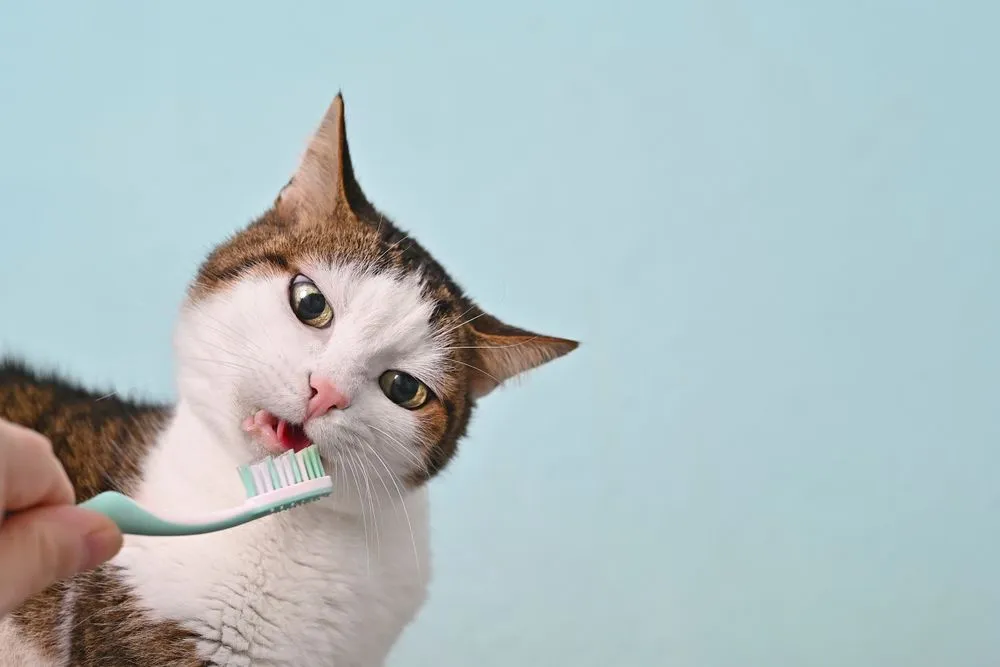
Preparing for Your Home Dental Session
You should use a soft-bristed toothbrush or a finger brush that fits comfortably in the mouth of your pet. It is critical that you use enzymatic toothpaste formulated for pets, as human toothpaste contains ingredients like xylitol or fluoride that are toxic to animals if swallowed. Many pets prefer flavors like poultry or beef, which can make the experience more enjoyable for them. Before you begin the actual brushing, allow your pet to lick a small amount of toothpaste so they become accustomed to the taste.
Steps for a Safe and Effective Brushing Routine
You can start brushing by gently lifting your pet’s lips and rubbing the teeth with your finger to build trust. Once the pet is comfortable, the brush should be held at a 45-degree angle to the gum line. Small circular motions are used to clean the outer surfaces of the teeth where plaque most often builds up. Focusing on the back molars is especially important since these areas are prone to developing heavy tartar. If your pet becomes stressed or tries to pull away, you should try again the next day.
Recognizing Signs of Oral Health Problems
Regular home inspections allow you to identify subtle changes in the mouth that may require professional attention. You should watch for persistent bad breath, which often indicates the presence of an infection or advanced periodontal disease. Red, swollen, or bleeding gums are symptoms of gingivitis that must be addressed by a veterinarian. In some cases, a pet might drop food while eating or show a reluctance to chew on their favorite toys due to dental pain. If you notice broken teeth or yellow-brown deposits on the enamel, you should contact a professional providing pet dental care near you.
Professional Support at Animal Medical Center San Jose
While home brushing is extremely helpful, it cannot replace the deep scaling and polishing performed at an animal hospital. Our clinic has the tools to identify issues beneath the gum line that are invisible to the naked eye. Combining your home efforts with regular visits to a veterinarian near you ensures that your pet remains comfortable and healthy throughout their life. To learn more or schedule an appointment, call our office at (408) 267-7387. Your dedication to your pet’s oral hygiene is a significant factor in their overall quality of life.